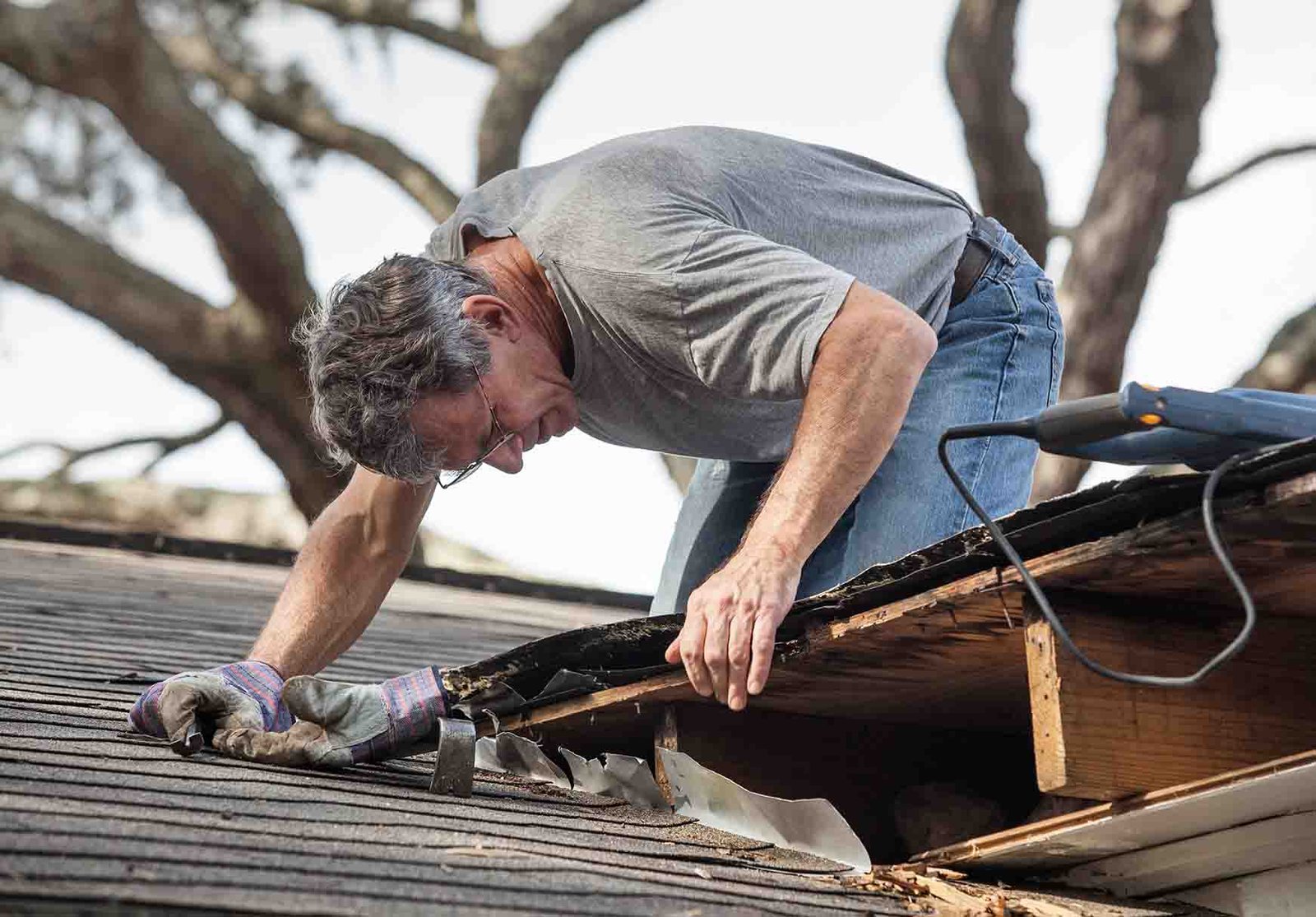
5 Warning Signs of Hidden Roof Damage
Roof damage is not always obvious. While missing shingles or visible leaks are clear indicators of trouble, many issues develop quietly beneath the surface. Hidden roof damage can compromise your home’s structure, reduce energy efficiency, and lead to costly repairs if left unaddressed. Because roofs endure constant exposure to weather, temperature changes, and natural wear, it is essential for homeowners to recognize subtle warning signs that something may be wrong. Understanding these early indicators helps you take action before minor concerns escalate into major problems.
Water Stains or Discoloration on Ceilings and Walls
One of the most common signs of hidden roof damage is the appearance of water stains on interior ceilings or walls. These stains often look like yellow or brown patches and may grow over time. Even if the stain seems small, it can indicate a slow leak that has been developing for weeks or months.
Water stains suggest that moisture is finding its way through the roofing system, possibly due to damaged underlayment, deteriorated flashing, or compromised shingles. Because water can travel along beams and insulation, the source of the leak may be far from where the stain appears. Prompt inspection is essential to prevent mold growth, structural weakening, and further water intrusion.
Granule Loss and Premature Shingle Wear
Asphalt shingles are coated with protective granules that help shield them from UV rays and weather exposure. Over time, it is normal for some granules to wash away, but excessive granule loss is a red flag. You may notice granules collecting in gutters, downspouts, or around the base of your home.
Granule loss can indicate aging shingles, storm damage, or manufacturing defects. When shingles lose too many granules, they become more vulnerable to cracking, curling, and moisture penetration. This type of wear often develops before visible shingle damage appears, making it an important early warning sign. Regular roof inspections can help determine whether the issue is isolated or widespread.
Sagging Areas or Uneven Rooflines
A sagging roof is a serious indicator of hidden structural damage. While sagging may be subtle at first, it often signals underlying issues such as water saturation, weakened decking, or compromised support beams. These problems can develop gradually, especially if moisture has been trapped beneath the roofing materials for an extended period.
Uneven rooflines may also result from improper installation or long term exposure to heavy snow or debris. Because structural issues can worsen quickly, any sign of sagging should be evaluated by a professional. Addressing the problem early can prevent more extensive damage and ensure the safety of your home.
Mold, Mildew, or Musty Odors in the Attic
Your attic can reveal a great deal about the condition of your roof. Mold, mildew, or persistent musty odors often indicate that moisture is entering the space from above. Even if you do not see visible leaks, moisture can seep through small gaps, deteriorated flashing, or compromised ventilation systems.
Mold growth not only damages wood and insulation but also poses health risks. Poor ventilation can trap humid air, creating an environment where mold thrives. Regular attic inspections help identify these issues early. Professional roofing companies such as Austin Roofing can assess whether the moisture is caused by roof damage, ventilation problems, or a combination of both.
Higher Energy Bills Without a Clear Cause
A sudden increase in heating or cooling costs may be a sign of hidden roof damage. When roofing materials deteriorate or insulation becomes saturated with moisture, your home loses its ability to regulate temperature efficiently. Warm or cool air escapes more easily, forcing your HVAC system to work harder.
Poor ventilation, gaps in the roofing system, and damaged underlayment can all contribute to energy loss. While homeowners often attribute rising utility bills to seasonal changes, persistent increases should prompt a closer look at the roof. Identifying and repairing hidden damage can restore energy efficiency and reduce long term costs.
Conclusion
Hidden roof damage can develop quietly, but its effects can be significant if left unaddressed. By paying attention to subtle warning signs such as water stains, granule loss, sagging areas, attic moisture, and rising energy bills, homeowners can take proactive steps to protect their property. Early detection and timely repairs help preserve the integrity of your roof and prevent costly structural issues down the road.