Dream Feed: The Complete Parent Guide to Better Baby Sleep
If you’re a new parent, you know how challenging sleep can be. One minute your baby is calm, and the next minute they wake up hungry. That’s where a dream feed can help. A dream feed is a simple method to feed your baby while they’re still half-asleep. It can help them sleep longer at night and reduce waking up too early.
Many parents swear by it because it gives them more rest. But it’s not a magic trick. It works best when done correctly and at the right time. In this guide, we’ll explain everything you need to know about dream feed, including how to do it safely, when to stop, and what experts say. By the end, you’ll know whether it’s right for your baby and your family.
What Is a Dream Feed?
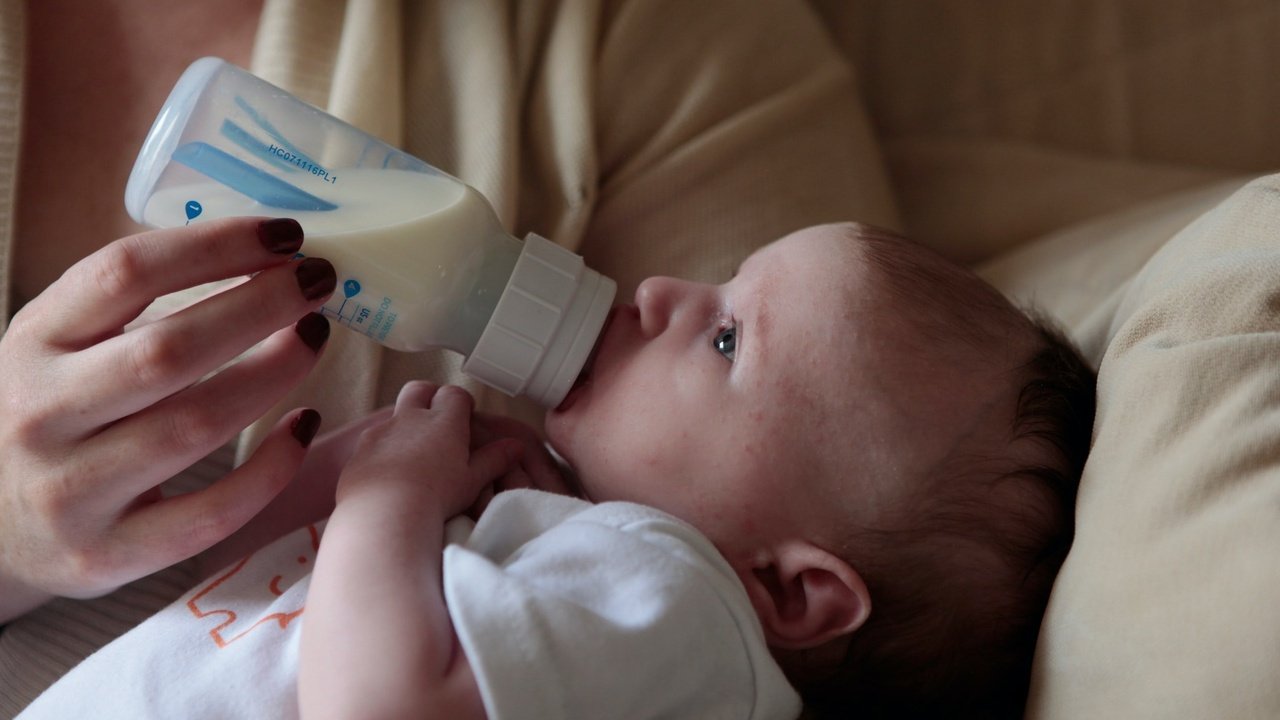
A dream feed means feeding your baby while they are still asleep. The goal is to give them enough milk to sleep longer without fully waking up. Parents usually do it between 10 pm and midnight. The idea is simple: your baby gets extra food before the night gets deep, so they don’t wake up hungry later.
This method works best for babies who wake up early because of hunger. Many moms and dads find that dream feeding helps them get a longer stretch of sleep. It’s also helpful during growth spurts or when babies need more calories. Just remember, dream feeding is not for every baby. Some babies wake up more during dream feeds, while others sleep deeper.
How Dream Feed Helps Your Baby Sleep Better
A dream feed can reduce night waking because your baby has more milk stored in their tummy. When babies sleep longer, they feel calmer and more relaxed. This can also help with baby’s mood during the day.
Some babies naturally wake up every few hours to eat. Dream feeding can help them stretch their sleep by a few hours. It’s like giving them a gentle boost so their body can rest longer. For parents, this can mean more sleep and less stress.
Why Dream Feeding Works
Dream feed works because babies are still hungry at night, even if they don’t show it. When a baby sleeps, their stomach can become empty. This triggers hunger and wakes them up. By feeding them before this happens, you reduce the chance of night waking.
The baby does not fully wake up during a dream feed. So it feels like they are still sleeping, but they are getting food. This helps them stay calm and relaxed. Many parents also notice their baby stays asleep longer after a dream feed.
When Should You Start Dream Feeding?
You can start dream feeding when your baby is around 6–8 weeks old. This is when babies can sleep longer at night and can handle a longer stretch between feedings.
But you should only start if your baby:
- wakes up often at night
- is not gaining weight properly
- needs more calories
- is ready for longer sleep
If your baby is still very young, under 6 weeks, it may be too early. Your baby still needs frequent feeding to grow. So always consult your pediatrician before starting.
Best Time to Dream Feed
The best time to do a dream feed is between 10 pm and midnight. This is when your baby’s sleep cycle is still light. Feeding at this time can help them sleep deeper.
If your baby usually wakes up around 2–3 am, try dream feeding at 11 pm. This can reduce early waking and help you get more sleep too. You can adjust the time based on your baby’s routine.
How to Do a Dream Feed (Step-by-Step)
Here is a simple way to do a dream feed:
- Wait until your baby is deeply asleep.
- Pick them up gently.
- Offer a bottle or breastfeed slowly.
- Keep the lights low and stay quiet.
- Burp them softly after feeding.
- Put them back to sleep gently.
Keep everything calm and quiet. The goal is to feed without waking them fully. If they start to wake up, stop and let them rest. Don’t force it.
Is Dream Feeding Safe?
Yes, dream feeding is safe if done correctly. But you must keep these safety tips in mind:
- Never feed while driving or walking.
- Always support the baby’s head and neck.
- Do not force the baby to feed.
- Keep the baby in a safe sleeping position.
If your baby coughs, spits up, or seems uncomfortable, stop and try again later. Dream feeding is not for every baby, and that’s okay.
When Dream Feeding Doesn’t Work
Dream feeding may not work for all babies. Some babies wake up fully during a dream feed. Others may still wake up later because they are not hungry, but they need comfort.
If dream feeding doesn’t help after 2 weeks, it may not be right for your baby. Some babies sleep better without it. Trust your instincts and adjust based on your baby’s needs.
How Long Should You Continue Dream Feeding?
Most parents use dream feed until the baby is around 4–6 months old. By then, babies can sleep longer without needing extra night feeding. Some babies may stop earlier, and that’s normal.
When your baby starts sleeping longer and gaining weight well, you can slowly stop dream feeding. Reduce the feed gradually until it is no longer needed.
Dream Feed Benefits for Parents
Dream feeding helps parents too. When your baby sleeps longer, you can get more rest. You may feel less stressed and more energetic during the day.
Parents often feel more confident and relaxed when they know their baby is getting enough milk. This can improve the whole family’s sleep routine.
Expert Advice on Dream Feeding
Most pediatricians agree that dream feeding can help babies sleep longer. But it should be used as a tool, not a requirement.
Some experts recommend dream feeding only if:
- baby is waking up due to hunger
- baby is not sleeping longer
- baby is growing normally
Always talk to your pediatrician if you are unsure.
Dream Feed vs Night Feeding
A dream feed is different from normal night feeding. Night feeding happens when the baby is awake and hungry. Dream feeding is done while the baby is still asleep.
Both feeding methods are okay. The best choice depends on your baby’s needs and your family routine.
Real Example: Dream Feed Success Story
A friend of mine had a baby who woke up every 2 hours. She started dream feeding at 10:30 pm. Within a week, the baby slept until 3 am. She felt much better and more rested. After 2 months, the baby naturally stopped waking up early.
This shows how dream feeding can help, but it is not a guarantee. Every baby is different.
Conclusion
A dream feed can be a great tool to help your baby sleep longer. It is simple, safe, and can reduce night waking. However, it is not perfect for every baby. Some babies may not like it or may wake up more.
If your baby is waking up often due to hunger, dream feeding can help. Always follow safe feeding practices and talk to your pediatrician. Remember, the goal is to create a calm and peaceful sleep routine for your baby and you.
FAQs
1. What age is best for dream feeding?
Dream feeding works best around 6–8 weeks old. At this age, babies can sleep longer and benefit from the extra feed.
2. Does dream feed help baby sleep longer?
Yes, it often helps babies sleep longer because their stomach stays full longer during the night.
3. Can dream feeding harm my baby?
No, dream feeding is safe when done correctly. Always follow safe feeding practices and watch your baby’s comfort.
4. How long should dream feed last?
Most parents stop dream feeding by 4–6 months when babies can sleep longer naturally.
5. Is dream feeding the same as night feeding?
No. Night feeding is when the baby wakes up hungry. Dream feeding is done while the baby is still asleep.
6. What if my baby wakes up during a dream feed?
If your baby wakes up fully, try again later or skip dream feeding. Not every baby likes it.