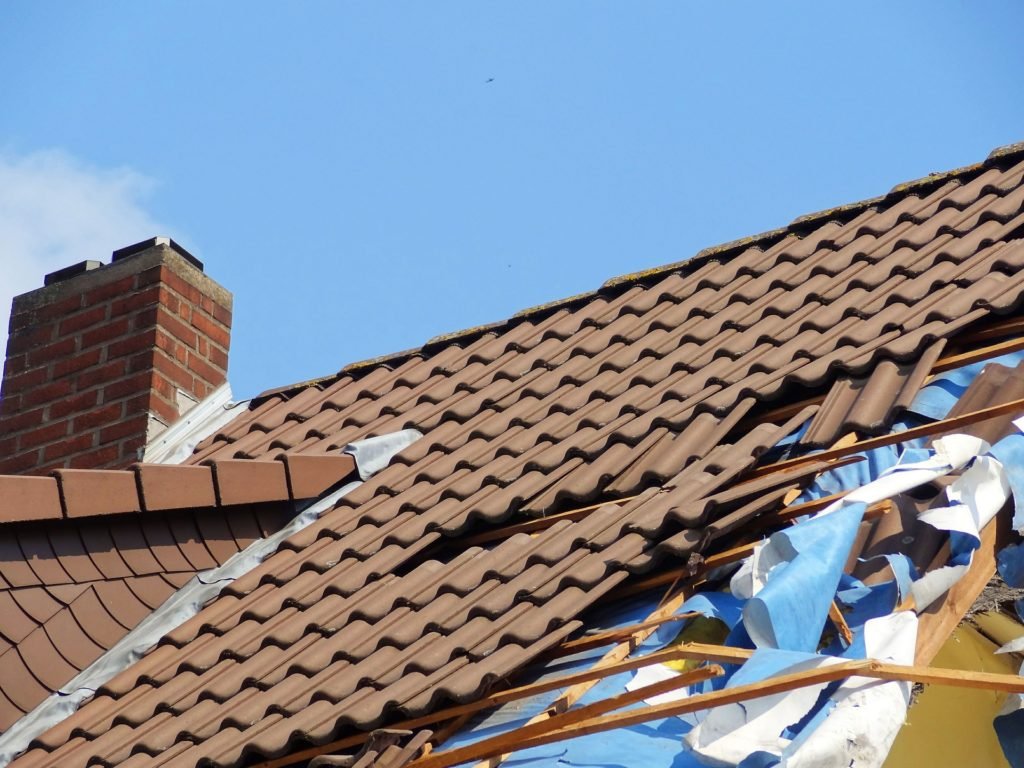
How Roof Damage Spreads From One Weak Area to Another
A roof problem usually starts small. One lifted shingle, one gap in flashing, or one section of worn sealant may not look serious from the ground, but it can change how water moves across the surface. That is why homeowners searching for roof repair eagle mountain are often dealing with more than a single visible defect. The first weak spot may be small, but the damage around it rarely stays small for long.
Roof damage can be deceptive because the first failed spot is not always where the biggest problem ends up. Water gets through one small gap, then keeps moving. It can soak into the roof deck, dampen insulation, weaken nails, and affect nearby shingles long before there is any sign inside. When a stain finally appears on the ceiling, the damage above it may already extend much wider.
First Breach
A roof often starts failing at the points where sections meet or change. The main field of shingles might still look fine, but trouble can start around a vent, along a valley, next to a wall, or near the lower edge of the roof. Those spots take more strain because they rely on overlaps, seals, and metal details to keep water moving out.
When one of those areas starts to wear out, the change is not always obvious. Water may still run off the roof, just not cleanly in that section. A shingle edge that lifts a little can give wind room to get underneath. A cracked vent boot can let moisture slip below the shingles. Flashing that has shifted can send water back toward the decking. A small flaw matters because it changes what happens around it, not just at the exact point where it started.
How Water Moves
Water does not always drip straight down from the place where it got in. It can run along the slope, follow joints, or move across wood before it finally shows up inside. That is why an interior stain can lead people to look in the wrong place. The spot on the ceiling is often just where the water ended up, not where the leak began.
That also helps explain why repairs sometimes turn out to be more involved than expected. Once water gets beneath the outer roofing material, it can spread through the layers below it. The roof deck may absorb moisture. Insulation can stay wet. Fasteners may begin to loosen as the material around them softens. The problem worsens because water continues to seep into nearby parts of the roof system, even though the original opening was small.
What Gets Hit Next
The first material below the roof covering often takes the most direct damage. Decking can begin to soften after repeated wetting, especially when the same area never fully dries between storms. Once that happens, the roofing material above it may not sit as firmly as it should. Shingles can become easier to lift. Fasteners may not hold as tightly. What began as water intrusion turns into movement, and movement creates more openings.
From there, the problem can spread in several directions at once. Insulation may absorb moisture and lose effectiveness. Attic air can start to smell damp. Trim boards and fascia near the edge can begin to deteriorate if runoff is no longer moving away cleanly. In some cases, the homeowner notices the interior drywall first, but by then, the roof assembly above it has already been affected.
Why It Gets Missed
Many roof problems stay hidden because the roof can still do its job for a while, even after something has started to fail. A home might only leak during hard winds and rain, or after the roof has been wet for a long time. When that happens, it is easy to assume the issue was temporary. In reality, the weak spot may still be there, waiting for the next storm to expose it again.
The first warning signs are usually small. Shingle granules in the gutter, a raised edge, rusted flashing, or a damp area in the attic may not look serious at first. Even so, those details can point to a part of the roof that is beginning to fail. When the damage finally becomes visible inside the house, the problem may already extend beyond that first weak spot.
A quick patch can also give the impression that the issue is solved when it is not. Sealant may hold for a while, but it will not fix flashing that has pulled loose, shingles that no longer seal properly, or wood that has already taken on moisture. Instead of stopping the problem, it may only change where the water shows up the next time the roof is under stress.
Why Early Repair Matters
Fixing a roof problem early does more than close off one entry point. It helps prevent moisture from spreading into the surrounding materials. Replacing a few shingles or repairing flashing is far simpler than tearing into a larger section to deal with wet decking, damaged trim, and soaked insulation.
That is why a careful inspection matters. A solid repair is not just about finding where the leak showed up. It is about finding the original weak point and checking how far the damage may have spread around it. Shingles, flashing, fasteners, drainage, and the deck’s condition all need to be examined closely because the problem often extends beyond the first visible sign.
Conclusion
Roof damage spreads by connection. One weak area changes how water moves, how materials hold, and how nearby sections handle stress. Once that process starts, the damage can extend well beyond the original opening before anything obvious appears indoors. Homeowners looking into roof repair eagle mountain are often better served by thinking beyond the first stain or missing shingle and focusing on how far the weakness may already have reached.