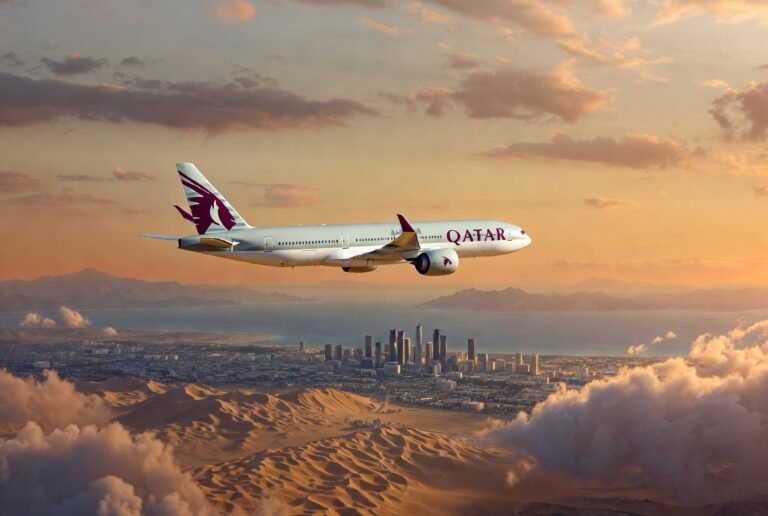
Tech and Aviation: How Aviation Tech Changed the Way We Travel
Today, technology is not just about large planes or jet engines; it is about the smooth experience and how you get to reach one place another. Aviation does not even have a captivating history,it shows you how far we have come. It really got going after decades of sluggish changes, whereby technology began to change what, how and how fast people travelled and in addition to this, it became safer. This article tells you everything about the cool technological advancements that have made in air travel.
Faster and Safer Air Travel
Air travel today is extremely fast and safer. Fantastic advances in jet engines and design methods allowed aircraft to fly at faster speeds and travel a longer distance with relative use of sufficient fuel. Introducing advanced navigation systems also implies that pilotscan navigate in any type of weather. Modern jets are also designed with advanced safety systems like redundant controls and predictive algorithms to minimize the risk of accidents. Autoland and TCAS are amazing innovations that you probably do not notice but are very vital for safe landings and avoiding mid-air collisions.
Comfort and Convenience for Travelers
Imagine sitting on a flight where smart design meets next-gen tech. You will find this more often today on planes than ever in the past. Great apps have provided a turbo-charged check-in and an upgraded boarding experience. Intelligent layouts create a great deal of room in the cabin, making it more comfortable during long journeys. Pilots have a great time managing more things in the cockpit easily because digital screens and control dials are arranged ergonomically. You can find luggage tracking devices in larger airlines, which totally lessens the hassle of travelling.
Environmental and Fuel Innovations
Airlines are very proud of the fact that they can fly their fleet on greener fuel, as compared to the past decade. New aircraft models which have good fuel efficiency can be located such as the Boeing 787 Dreamliner, a real wonder of modern technology, or the Airbus A320neo. Technicians are trying some cool new concepts such as biofuels and sustainable aviation fuels to minimize still more the emissions. Air traffic management systems are designed to be smart, with the idea of flying in the best and shortest path. Things look fresher when airlines tone in on reducing plastic waste or becoming carbon-neutral by a targeted year.
Technology Behind the Scenes
The planes that you see in the air are not the only thing that makes flying a reality. Most aircraft usetop-ratedgill batteries which isdesigned to meet aircraft energy needs. Your safety is also greatly supported byusing predictive maintenance, where the computers on the plane tell when an engine is about to fail before it happens. As an example, there are special diagnostic systems that are used by some airlines to monitorthe minor issues prior to their escalation into serious problems. These innovations make it possible to have everything running efficiently and smoothly without being the center of attention in the aviation world.
Global Connectivity and Accessibility
Technology is the driver of accessibility in air travel more than ever. Because of flexible pricing software and more digital platforms, airlines can sharpen their pricing and fill their seats rapidly. Low-cost carriers put forward routes to basically every corner of Europe and beyond, opening flights to thousands. The air service sector is now more focused on providing regional travel to breathe life into small and rural airports. Improvements in travel technology have made payment processing and online check-ins a reality. They also allow for instant ticket purchases almost anywhere, making it possible to book a flight late in the day to attend an unexpected meeting the next morning.
Conclusion
You can name so many ways technology has transformed the aviation sector. Speeds exceed what was previously thought to be achievable, while security is now an assumed complication of the past. Innovations behind the chalk, like predictive analysis, are what make these experiences more pleasant. Improvements are also being made toward greener and fairer travel, with new agerefueling and utilization of gift materials. All that is happening today is a tiny glimpse of what is possible in the industry is advanced digital tools, employee training, and future-oriented designs all play a role.